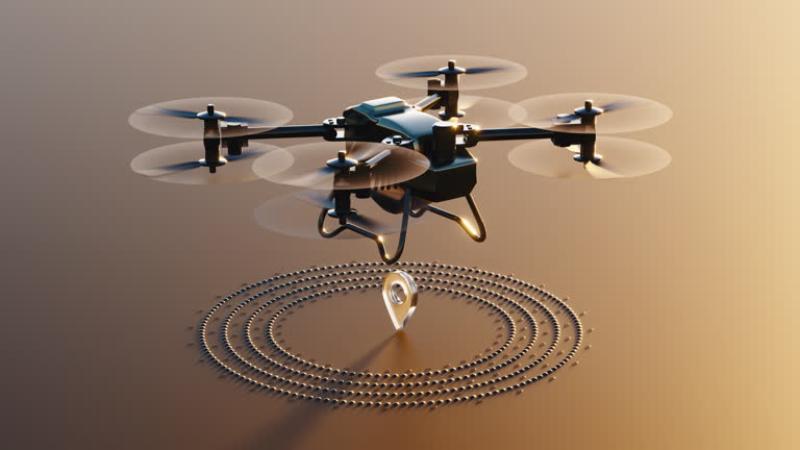
The drone industry is booming. From aerial photography and precision agriculture to last-mile delivery and infrastructure inspection, new companies are entering the space every month. And with so many players fighting for attention, the startups that win aren’t always the ones with the most advanced technology; they’re the ones that people remember.
That’s where brand identity comes in. If you’re building a drone startup, your brand is so much more than a logo. It’s the feeling customers get when they land on your website, the trust they feel as they read your pitch deck, and the recognition they feel when they see your drone in the field. Getting Logo design company right from day one is one of the smartest investments a young drone company can make because first impressions in this industry carry serious weight.
Why Branding Matters More Than You Think in the Drone Space
Many drone founders make the mistake of treating branding as something to “figure out later.” They focus on the hardware, the software stack, the FAA certifications, and then slap together a logo the night before a product launch.
Here’s the problem: by the time you’re pitching investors or approaching your first enterprise clients, your brand is already making a statement. The question is whether it’s the right one.
The drone market is projected to reach hundreds of billions in value over the next decade, and enterprise clients, the ones writing the big checks, are evaluating you on professionalism, credibility, and trust. A strong brand signals all three.
Start With Your Brand’s Core Story
Before you design anything, you need to answer a few basic questions:
- What problem does your drone company actually solve?
- Who are you solving it for?
- Why are you better positioned than anyone else to do it?
The answers to these questions are the foundation of your brand story. And that story needs to be tight, not a list of features, but a clear, human narrative. Think about it like this: DJI doesn’t just sell drones. They sell the idea of seeing the world from a perspective most people never get.
What’s your version of that?
Nailing Your Brand Voice
Your brand voice is how you talk to customers in your website copy, emails, social media, and sales presentations. In the drone space, most startups default to one of two extremes: overly technical jargon or vague buzzword soup.
Neither works.
The best drone brands strike a balance. They’re confident without being arrogant, technical without being alienating, and clear about what they actually do. Pick three or four adjectives that describe how you want to sound, something like “direct, bold, precise, and human,” and use them as a filter every time you write anything public-facing.
Visual Identity: More Than Just a Logo
Your visual identity is the part of your brand that people see before they read a single word. It includes your logo, color palette, typography, and how you use imagery across every touchpoint.
For drone startups, a few things tend to work really well visually:
Clean, geometric design — Drones are mechanical, precise, engineered objects. Your visual identity should feel like it belongs in the same world. Cluttered, decorative design feels off-brand for most drone companies.
Color choices that communicate your niche — Agricultural drone startups tend to use greens and earthy tones. Defense-adjacent companies lean into navy and grey. Consumer-facing brands often go bolder. Think carefully about what your color palette is saying before you fall in love with it.
Imagery that shows real-world impact — Nothing builds credibility faster than showing your technology doing the actual thing it’s supposed to do. Aerial footage, field deployments, and happy clients use real visuals whenever possible.
Building Brand Consistency Across Every Channel
One of the most common brand mistakes startups make — in any industry — is being inconsistent. Your LinkedIn looks completely different from your pitch deck, which looks nothing like your website.
Consistency builds recognition. And recognition builds trust.
Put together a simple set of brand guidelines early on. It doesn’t have to be elaborate; even a one-pager that captures your logo usage rules, your color hex codes, your font choices, and a few examples of your tone of voice can save you enormous headaches later.
If you’re scaling fast or heading into a funding round, it’s worth working with a dedicated branding agency that understands how to build cohesive visual systems across digital and physical touchpoints, because a patchwork brand starts to show its cracks exactly when you can’t afford it.
Positioning: Finding Your Lane in a Crowded Market
In a market this competitive, trying to be everything to everyone is a death sentence for a drone startup. The most successful brands pick a lane and own it.
Are you the most precise agricultural imaging platform on the market? The safest option for urban delivery in regulated airspace? The most accessible inspection drone for mid-market construction companies?
Whatever your positioning is, it should be something you can say in one sentence and something that’s genuinely different from what your competitors are saying. According to research from the Harvard Business Review, customers make decisions based on a mix of functional and emotional value. A strong positioning statement speaks to both.
Don’t Overlook Your Brand’s Digital Presence
Your website is your most important brand asset. It’s often the first and only impression a potential client gets before deciding whether to book a demo or move on. Make sure it loads fast, tells your story clearly above the fold, and makes it dead simple to take the next step.
Your social channels matter too, especially LinkedIn if you’re targeting enterprise clients, and YouTube if you have compelling aerial footage to share. Consistent, value-driven content builds brand equity over time.
The Long Game: Brand as a Competitive Moat
Here’s something a lot of startups overlook: a strong brand is a competitive moat.
Technology can be copied. Features can be matched. But a brand that people genuinely connect with, one with a clear story, a distinct visual identity, and a consistent presence, is much harder to replicate. That’s the real value of investing in your brand early, before the market gets even more crowded.
The drone startups that will win over the next decade aren’t just the ones with the best hardware. They’re the ones that people trust, recognize, and choose to talk about.
Build something worth talking about. Start with your brand.