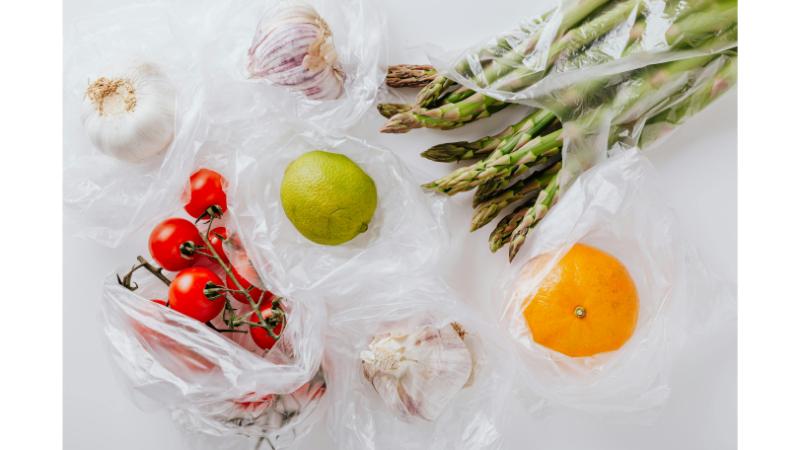
Walk down any grocery aisle today and compare it to what you saw ten years ago. The shift is hard to miss. Glass jars, metal cans, and heavy cardboard boxes are slowly giving way to pouches, films, and bags. Flexible packaging is no longer a niche format; it’s quickly becoming the industry standard across food, healthcare, personal care, and beyond.
So what’s driving this change in 2026? It’s not just one thing. It’s a combination of cost pressures, sustainability demands, consumer preferences, and supply chain realities, all pointing in the same direction. Rigid packaging vs flexible packaging is no longer a close debate. For most product categories, flexibility wins, and businesses are catching on fast.
The Core Problem With Traditional Packaging
Traditional packaging formats, glass bottles, metal tins, and thick plastic containers, were designed for a different era. They prioritized durability and shelf presence. But they also come with significant trade-offs that are harder to justify in today’s market.
Rigid containers are heavy. That weight adds up quickly during shipping, driving up freight costs with every pallet. They’re bulky to store, even when empty. They require more raw material to produce. And for brands trying to reduce their environmental footprint, the carbon costs associated with heavy rigid packaging are difficult to ignore.
Key Reasons Flexible Packaging Is Winning in 2026
Supply Chain Economics Have Shifted
Freight costs spiked dramatically in recent years, and while they’ve stabilized, businesses are far more aware of the role packaging weight plays in their shipping spend. Lightweight packaging is no longer just a preference; it’s a financial necessity for many brands.
Flexible formats can be shipped flat and unfilled, meaning warehouses store far more units in the same square footage compared to rigid alternatives. Once filled, pouches and bags are far lighter per unit. For businesses operating at scale, this translates directly into savings on both storage and outbound shipping.
Consumer Demand Has Changed
Today’s consumers want convenience. Resealable zippers, easy-tear notches, single-serve sachets, and spout-equipped pouches are features that rigid packaging simply can’t match without high added cost and complexity. Shoppers have come to expect them.
Beyond convenience, consumers are also increasingly eco-conscious. Many flexible formats use significantly less plastic per unit than the rigid containers they replace. When brands can credibly communicate a reduced material footprint, it resonates, especially in food, beauty, and wellness categories.
Sustainable Flexible Packaging Is Finally Catching Up
For years, one criticism of flexible packaging was recyclability. Multi-layer laminates were notoriously difficult to recycle through standard streams. That’s changing rapidly in 2026.
Mono-material flexible films, made from a single polymer, are now commercially viable and increasingly available. These can be recycled through standard plastic film collection points. Compostable pouches, made from plant-based materials, are also gaining traction in premium food and cosmetics markets.
Companies like Contipack Inc are at the forefront of this shift, helping brands navigate the transition to more sustainable formats without sacrificing performance or shelf appeal.
Branding and Shelf Appeal Have Improved
One area where traditional packaging held an advantage was premium perception. A heavy glass jar or embossed metal tin communicates quality in a way that a pouch historically struggled to match.
That gap has closed significantly. Modern digital and flexographic printing on flexible films delivers sharp, vibrant graphics across the full surface of the package. Matte finishes, metallic effects, and spot UV coatings give flexible packs a premium look at a fraction of the cost of decorated rigid packaging.
Flexible Packaging Trends Are Moving Fast
The trends shaping 2026 point toward greater personalization, shorter production runs, and smarter packaging integration. Digital printing allows brands to run smaller batches with region-specific or season-specific designs without large setup costs. QR codes and NFC tags embedded in packaging connect the physical product to digital brand experiences.
Category-by-Category: Where the Shift Is Happening
Food and Beverage
This is where the transition is most visible. Soups and sauces that once came in cans now come in stand-up pouches. Coffee brands have largely abandoned tins in favor of resealable bags with one-way degassing valves. Snack brands are experimenting with compostable packaging that performs just as well as conventional film.
Health and Beauty
Shampoos, conditioners, body washes, and skincare products are increasingly available in refillable pouches. Sachets and unit-dose pouches are growing in both pharma and over-the-counter wellness products.
Industrial and Agricultural
Heavy-duty flexible packaging has replaced many multi-walled paper bags in the agricultural and industrial sectors. Flexible bulk bags handle fertilizers, chemicals, and powders with less material and better moisture resistance than the paper alternatives they replaced.
What About the Downsides?
It’s worth being honest here. Flexible packaging isn’t perfect for every application. Products that require extreme rigidity or luxury unboxing experiences may still need rigid secondary packaging. Ongoing conversations about recycling infrastructure are valid, but not all flexible packaging is recyclable in all markets.
That said, for the vast majority of consumer goods, the economics and performance of flexible packaging now clearly outperform traditional alternatives, and that’s a trend showing no signs of reversing.
Final Thoughts
The shift from traditional packaging to flexible formats isn’t a trend. It’s a structural change in how products are packaged, shipped, and sold. Cost efficiency, improved sustainability, better consumer convenience, and rapid material innovation are all pulling in the same direction.
For brands still relying heavily on rigid packaging in 2026, the question isn’t whether to evaluate flexible alternatives; it’s how quickly they can make the move. The businesses that act now will have a head start on the cost savings, sustainability credentials, and consumer appeal that come with getting packaging right.